Basic Tees
 Super Hero
 Printed T-Shirts
 Superheroes Full Sleeves
 Men’s Tank Tops
 Super Hoodies
 Super Sweatshirts
 Jogger Pants / Bottoms
 The Super Shorts
Tank tops work hard. They soak up sweat, rub against bag straps, and stay in heavy summer rotation. Because the fabric is light and the fit is close to the body, they wear out faster than almost anything else in your closet. Good tank top fabric care fixes that. Once you know how to wash tank tops properly and follow a few simple tank top storage tips, one favorite can last for years instead of one season. This guide covers practical tank top washing tips, stain fixes, drying methods, and storage habits, in plain language.
🧵 Know Your Fabric Before You Wash
Every fabric reacts differently to water, heat, and friction. If you treat all tank tops the same, some will shrink and others will stretch. Start by identifying what yours is made of.
Common Tank Top Fabrics and What They Need
- Cotton: Soft and breathable, but it shrinks easily in hot water. This is the most common choice for everyday wear.
- Polyester: Durable and quick-drying. It holds odor, so wash it soon after wearing.
- Rayon and modal: Silky and drapey, but weak when wet. They need a gentle touch.
- Spandex / elastane: Gives stretch and shape. Heat breaks down these fibers fast.
- Linen: Airy and perfect for hot days, but it wrinkles easily.
- Bamboo fabric: Very soft and naturally breathable. Treat it gently, like modal.
- Nylon blend: Smooth and strong. It is common in sporty styles.
- Ribbed knit and jersey fabric: These are knit constructions, not fibers. Ribbed knit can stretch out at the neckline. Jersey can curl at the edges and lose shape if wrung out.
Why Blends Matter
Many tank tops are blends, such as cotton with a little spandex. Always care for the most delicate fiber in the mix. A cotton-spandex top still needs cooler water and low heat because of the elastane.
The same logic applies to other basics. Stretchy pieces like the Texture Blue Spandex Tee need the same low-heat care to keep their elasticity.
🏷️ Read the Care Label Like a Pro
The care label is the cheapest expert advice you will ever get. It is sewn into the garment for a reason. Most care label instructions use a few simple symbols:
- Tub with water: Machine washable. A number inside is the maximum water temperature. A hand inside means hand wash only.
- Triangle: Bleach rules. An empty triangle allows bleach, and a crossed-out triangle means none.
- Square with a circle: Tumble drying rules. Dots show the heat level.
- Iron symbol: Ironing rules. Dots again show the heat.
- Circle: Dry cleaning.
If the label has faded or been cut out, play it safe. Use a cold water wash, a gentle cycle, and air drying.
🫧 How to Wash Tank Tops: Step by Step
Here is the routine that works for most fabrics. Think of it as your core garment care checklist.
Step 1: Sort Smartly
Do not toss everything into one pile. Separate your laundry by:
- Color: Whites, lights, and darks. This prevents color bleeding.
- Fabric weight: Keep light tank tops away from heavy items like jeans and towels.
- Soil level: Gym clothes should not share a load with delicate camisoles.
Zippers, hooks, and Velcro snag lightweight fabrics, so keep those items out of the load.
Step 2: Check and Pre-Treat Stains
Look at the underarms and neckline. Treat any marks before the wash, because heat can set stains permanently. (More on that in the stain section below.)
Step 3: Turn Them Inside Out
Inside-out washing protects printed designs, reduces surface friction, and limits pilling. It also puts the sweat-prone inside of the garment right where the detergent can reach it.
Step 4: Use a Mesh Laundry Bag
A mesh laundry bag is a small investment that pays off. It stops straps from tangling and keeps delicate necklines from stretching. Use it for any rayon, modal, or lace-trimmed top.
Step 5: Pick the Right Water Temperature
Water temperature is one of the biggest factors in how long a tank top lasts.
| Fabric | Best Water Temp | Cycle |
|---|---|---|
| Cotton | Cold to warm (30°C max) | Normal or gentle |
| Polyester / nylon blend | Cold | Gentle |
| Rayon / modal / bamboo | Cold | Delicate |
| Spandex blends | Cold | Gentle |
| Linen | Cold to lukewarm | Gentle |
Cold water protects color, reduces shrinkage, and saves energy. For everyday dirt it works well with a good detergent.
Step 6: Choose a Mild Detergent
Pick a mild detergent, preferably liquid. Powders can leave residue on dark, lightweight fabrics. Use the recommended amount, not extra. Too much soap does not clean better. It leaves a stiff, dull finish and can irritate skin.
Step 7: Set the Right Cycle
Use the machine wash gentle cycle or delicate cycle with a low spin speed. A fast spin stretches fibers and wrinkles fabric. This is also the best way to wash tank tops that have a lot of spandex or fine knit.
🤲 Hand Washing Clothes: When and How
Hand washing clothes is the gentlest method. It is worth it for silky, lace-edged, or very old favorite pieces.
- Fill a basin with cool water.
- Add a small amount of mild detergent and swirl.
- Submerge the tank top and press gently for 2 to 3 minutes.
- Let it soak for up to 10 minutes. Do not scrub or twist.
- Rinse in clean, cool water until the suds are gone.
- Press water out between a clean towel. Never wring.
👕 How to Wash Cotton Tank Tops
Cotton is forgiving, but it has one weakness: heat. Here is how to wash cotton tank tops without the dreaded shrink.
- Wash in cold or lukewarm water.
- Use a normal or gentle cycle.
- Skip bleach on colored pieces.
- Avoid high-heat drying.
- Reshape the garment while it is damp.
White cotton tops can handle a bit more. Still, if you want your whites to stay bright, a small amount of oxygen-based booster works better than chlorine bleach. Basics like the White Basic Tee and Black Basic Tee follow the same cotton rules, so the habits you build here carry over to your whole wardrobe.
🏃 Activewear Care for Gym Tank Tops
Activewear care needs special attention. Gym tanks are usually polyester, nylon, or spandex blends. These fabrics trap sweat and odor.
- Wash soon after your workout. Do not leave sweaty clothes in a gym bag.
- Skip fabric softener. It coats performance fibers and reduces moisture-wicking.
- Use cold water and a gentle cycle.
- Air dry whenever possible.
📉 How to Prevent Tank Top Shrinking
Few things are more annoying than a top that fits perfectly, then comes out a size smaller. Here is how to prevent tank top shrinking:
- Wash cold. Hot water makes cotton fibers contract.
- Avoid high heat in the dryer. If you must tumble dry, use tumble dry low.
- Do not overload the machine. Crowding causes friction and uneven cleaning.
- Pre-wash new cotton pieces gently. Some shrinkage happens in the first wash.
- Air dry when in doubt.
If a top has already shrunk a little, soak it in lukewarm water with a splash of hair conditioner for 30 minutes. Then gently stretch it back into shape and lay it flat to dry. It is not a miracle, but it often helps.
🧶 How to Keep Tank Tops From Stretching
Fabric stretching is the opposite problem, and it usually comes from how you wash and dry, not how you wear.
- Never hang a wet tank top by its straps. Gravity pulls the shoulders down and ruins the neckline.
- Use flat drying for knits, modal, and rayon.
- Skip heavy fabric softener. It can relax fibers over time.
- Do not wring. Press water out gently.
- Rotate your favorites. Fabric needs time to recover between wears.
🎨 Stopping Color Fading, Bleeding, and Pilling
These are the three biggest enemies of that “just bought it” look.
Color Fading
Color fading comes from heat, harsh detergent, and sun. Wash dark tops inside out, in cold water, with a detergent made for darks.
Color Bleeding
New dark or bright clothes can release dye. Wash them separately for the first few washes. A color-catcher sheet helps if you are unsure.
Pilling
Pilling is those tiny fuzz balls that form from friction. Reduce it by:
- Washing inside out
- Using a mesh bag
- Keeping rough fabrics like denim and towels away from your tops
- Using a fabric shaver if pills do appear
💦 How to Remove Sweat Stains From Tank Tops
Sweat is the number one reason tank tops look old. Because they are sleeveless, underarm stains and deodorant marks show up fast. Here is how to remove sweat stains from tank tops.
Method 1: Baking Soda Paste
- Mix 3 tablespoons of baking soda with a little water to make a paste.
- Rub it on the stain gently.
- Leave for 30 to 60 minutes.
- Wash as usual.
Method 2: White Vinegar Soak
- Mix equal parts white vinegar and cool water.
- Soak the stained area for 30 minutes.
- Rinse, then wash normally.
Vinegar also helps fight body odor. Test it on a hidden spot first if your fabric is delicate.
Method 3: Enzyme Cleaner
An enzyme cleaner breaks down sweat proteins and works well on older stains. Apply, wait the recommended time, then launder.
For Deodorant Marks and Oil Stains
- Deodorant marks: Rub gently with a dry cloth or a soft brush before washing. Switch to a clear or aluminum-free formula if marks keep coming back.
- Oil stains: Sprinkle baking soda or cornstarch on the spot to absorb the oil. Wait 15 minutes, brush off, then apply a little dish soap before washing.
Always check the tank top before drying. If a stain remains, heat will lock it in. Repeat the treatment first. This is the heart of good stain removal.
🌬️ How to Dry Tank Tops the Right Way
Knowing how to dry tank tops matters as much as knowing how to wash them. Many ruined tops are lost in the dryer.
Best Option: Air Drying Clothes
Air drying clothes is the safest choice for nearly every fabric.
- Flat drying: Best for knits, rayon, modal, and anything stretchy. Lay on a clean towel or mesh rack.
- Line drying: Fine for cotton and polyester. Use padded clips or hang by the hem, not the straps.
Avoid direct sunlight on dark or bright colors. It fades them. Dry in shade or indoors with good airflow.
If You Must Use a Dryer
- Choose tumble dry low.
- Remove tops while they are slightly damp.
- Do not combine them with heavy towels.
Quick drying also prevents the musty smell that comes from damp clothes sitting too long.
🔥 Ironing and Steaming Without Damage
For wrinkle prevention, shake out each top and smooth it with your hands before drying. When wrinkles do show up:
- Steaming is the gentlest option for rayon, modal, and linen.
- Ironing should be done inside out on the lowest suitable heat.
- Never iron directly over printed graphics. Place a thin cloth between the iron and the design.
Skip ironing on spandex-rich fabric unless the label allows it. Heat can melt elastic fibers.
🗄️ Tank Top Storage Tips for a Tidy, Fresh Wardrobe
Washing is half the job. The other half is storage. Poor storage causes stretching, odors, creases, and even pest damage. These tank top storage tips keep your wardrobe organization simple and effective.
How to Store Tank Tops: Folding vs Hanging
The folding vs hanging debate has a clear answer by fabric.
| Fabric Type | Best Method | Why |
|---|---|---|
| Cotton, jersey, ribbed knit | Fold | Hanging can stretch shoulders |
| Spandex / activewear | Fold or roll | Keeps elastic shape |
| Rayon, modal, linen | Hang (padded hanger) | Reduces wrinkles |
| Delicate camisoles | Fold in a drawer or hang with care | Prevents strap damage |
Hanging works best for flowy fabrics. Folding is safer for stretchy knits.
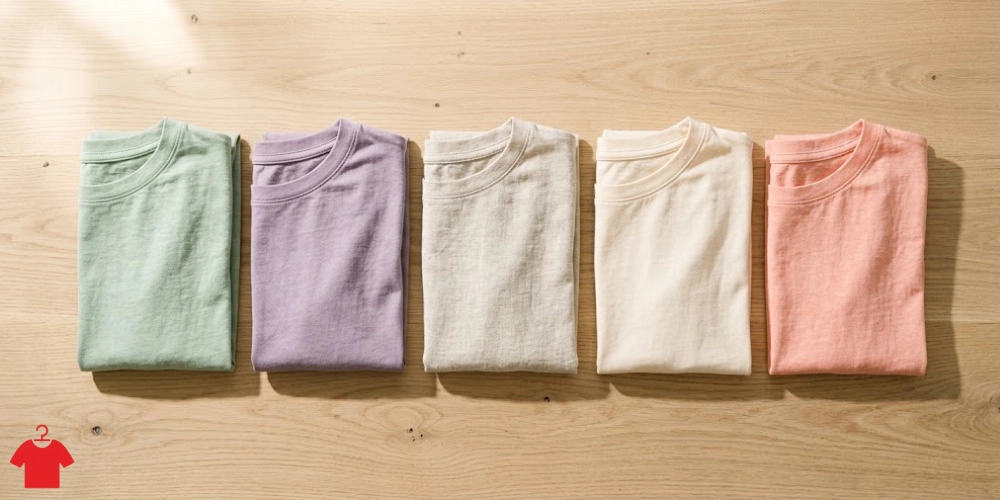
How to Fold Tank Tops
Here is how to fold tank tops so they stack neatly and stay wrinkle-free:
- Lay the top flat, front side down.
- Fold the straps inward toward the center.
- Fold each side in so the top becomes narrow.
- Fold from the bottom up in thirds.
- Stand it upright in a drawer, file style.
Upright folding lets you see every top at a glance. You will stop digging through piles.
Drawer and Shelf Organization
- Use a drawer organizer to keep stacks from collapsing.
- Add shelf dividers for closet shelves so piles do not topple.
- Keep tops sorted by color or type.
- Leave a little breathing room. Overstuffed drawers crush fabric.
Hanging Tips for Closet Storage
For closet storage, use padded hangers or wide, smooth hangers. Thin wire hangers leave shoulder bumps. For camisoles, use hangers with notches or loops to hold straps in place.
Moisture Control and Breathable Storage
Moisture invites odor and mold. Choose breathable storage such as cotton bins, open shelves, or fabric drawer liners.
- Make sure every top is fully dry before you put it away.
- Add silica gel packs or moisture absorbers in humid areas.
- Avoid sealing everyday clothes in plastic.
For mildew prevention, air out your closet regularly and avoid damp corners.
Moth Prevention
Natural fibers like cotton, linen, and bamboo can attract moths. For moth prevention:
- Wash clothes before storing them. Moths love body oils and sweat.
- Place cedar blocks in drawers and refresh them every few months.
- Keep closets clean and dry.
Seasonal Storage
When summer ends, your tank tops need a proper rest. For seasonal storage:
- Wash and fully dry every top.
- Fold them neatly using acid-free tissue paper between layers for delicate items.
- Store in garment bags or breathable cotton boxes.
- Use vacuum storage bags only for sturdy, non-delicate pieces, and do not leave them compressed for too long.
- Keep the bins in a cool, dark, dry place.
This makes summer clothing care easy, and your tops will be ready to wear the moment warm weather returns. Heavier winter items such as the Ultra Soft Fleece Hoodies can take over the prime closet space during this swap.
⚠️ Common Tank Top Care Mistakes to Avoid
Even careful people slip. Watch out for these:
- Washing everything in hot water
- Using too much detergent
- Hanging wet tops by the straps
- Overloading the washer
- Using fabric softener on activewear
- Storing tops while slightly damp
- Ignoring the care label
- Leaving sweaty tops in a hamper for days
Fix these habits and you will see a real difference within a few washes.
📋 Quick Tank Top Care Cheat Sheet
This table sums up the routine for easy reference.
| Task | Best Practice |
|---|---|
| Washing | Cold water, gentle cycle, inside out |
| Detergent | Mild liquid detergent, no excess |
| Protection | Mesh laundry bag |
| Drying | Flat or line dry, away from direct sunlight |
| Stains | Treat early with baking soda, vinegar, or enzyme cleaner |
| Storage | Fold knits, hang flowy fabrics |
| Long-term | Breathable bins, cedar blocks, dry closet |
In short, cold water, gentle handling, and proper drying cover most of what you need. Smart storage protects the rest.
🛍️ Care Tips That Apply to All Your Tees and Tops
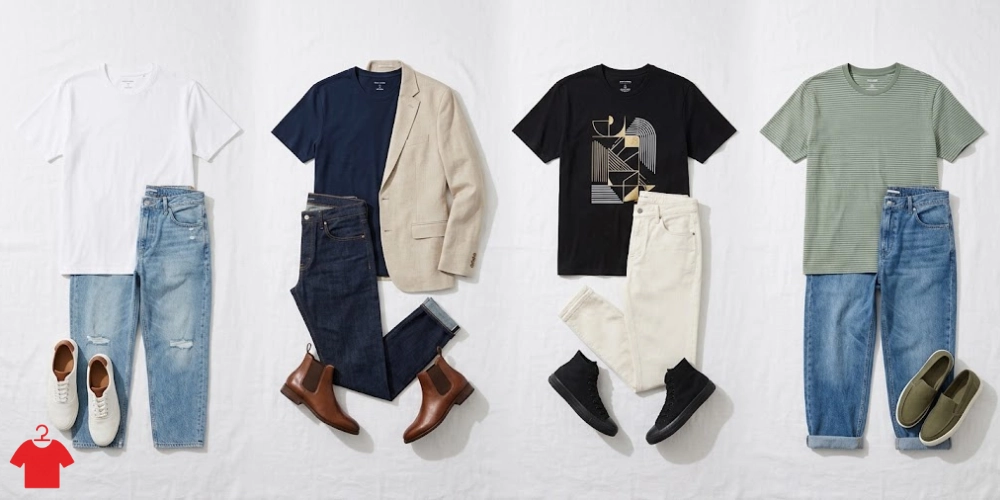
Good clothing maintenance is not limited to tank tops. The same laundry tips extend to the rest of your wardrobe. If you own printed or graphic pieces, wash them inside out and avoid high heat to protect the artwork. You can explore the full range of printed t-shirts and everyday basic tees to see what style suits you. Fans of comic-inspired fashion can browse the superhero collection or the superhero full sleeves range. Those layers also appreciate gentle washing.
✅ Conclusion
Great tank top fabric care comes down to a few repeatable habits. Read the label, wash cold, turn tops inside out, and use a mild detergent. Dry flat or on a line, treat stains early, and store each top in a way that suits its fabric. None of this takes much extra time, but together it keeps colors bright, necklines crisp, and fits true.
Start with your next laundry day. Pick one or two tips from this guide, such as a mesh bag or flat drying, and build from there. Your favorite tops will thank you with a longer life and a better look.
Ready to refresh your wardrobe? Explore the full Printees shop for premium tees and hoodies built to last, then use these care tips to keep them looking sharp.
❓ Frequently Asked Questions
1. What is the best way to wash tank tops?
Turn them inside out, place them in a mesh laundry bag, and wash in cold water on a gentle cycle with a mild detergent. Then air dry them.
2. Can I put tank tops in the dryer?
You can, but only on tumble dry low and only for sturdy fabrics like cotton. Air drying is safer for spandex, rayon, modal, and knit tops.
3. How do I stop tank tops from shrinking?
Use cold water, avoid high dryer heat, and do not overload the washer. Air drying gives the best protection against shrinkage.
4. How should I store tank tops to keep their shape?
Fold stretchy knits and cotton tops. Hang flowy fabrics like rayon or modal on padded hangers. Keep everything in a dry, breathable space.
5. How do I remove sweat stains from tank tops?
Apply a paste of baking soda and water or soak in a white vinegar solution for 30 minutes. For older stains, use an enzyme cleaner before washing.
6. Should I use fabric softener on tank tops?
Use it sparingly on cotton, and skip it entirely on activewear and spandex. It can coat fibers and reduce stretch and moisture-wicking.